Fellow readers,
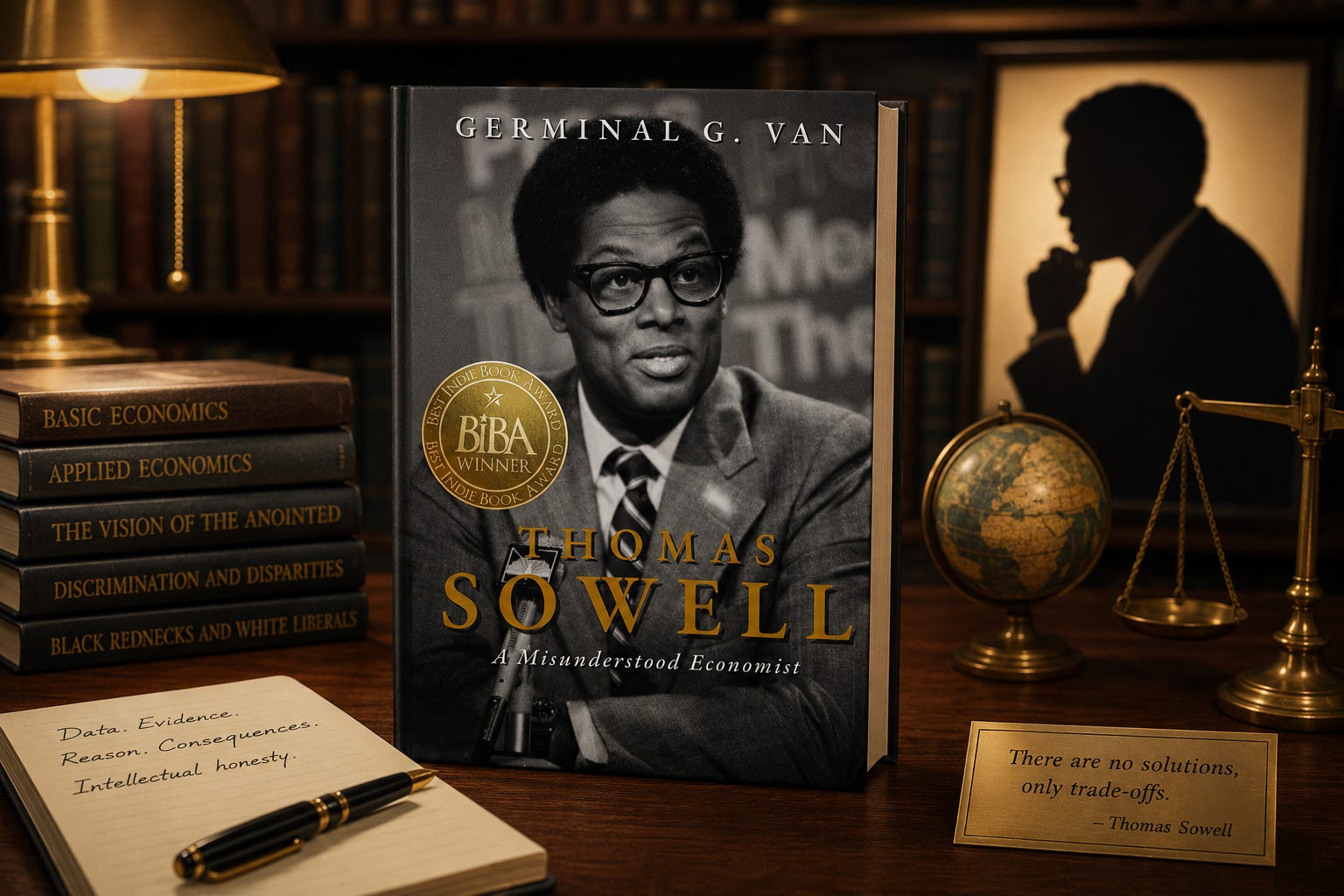
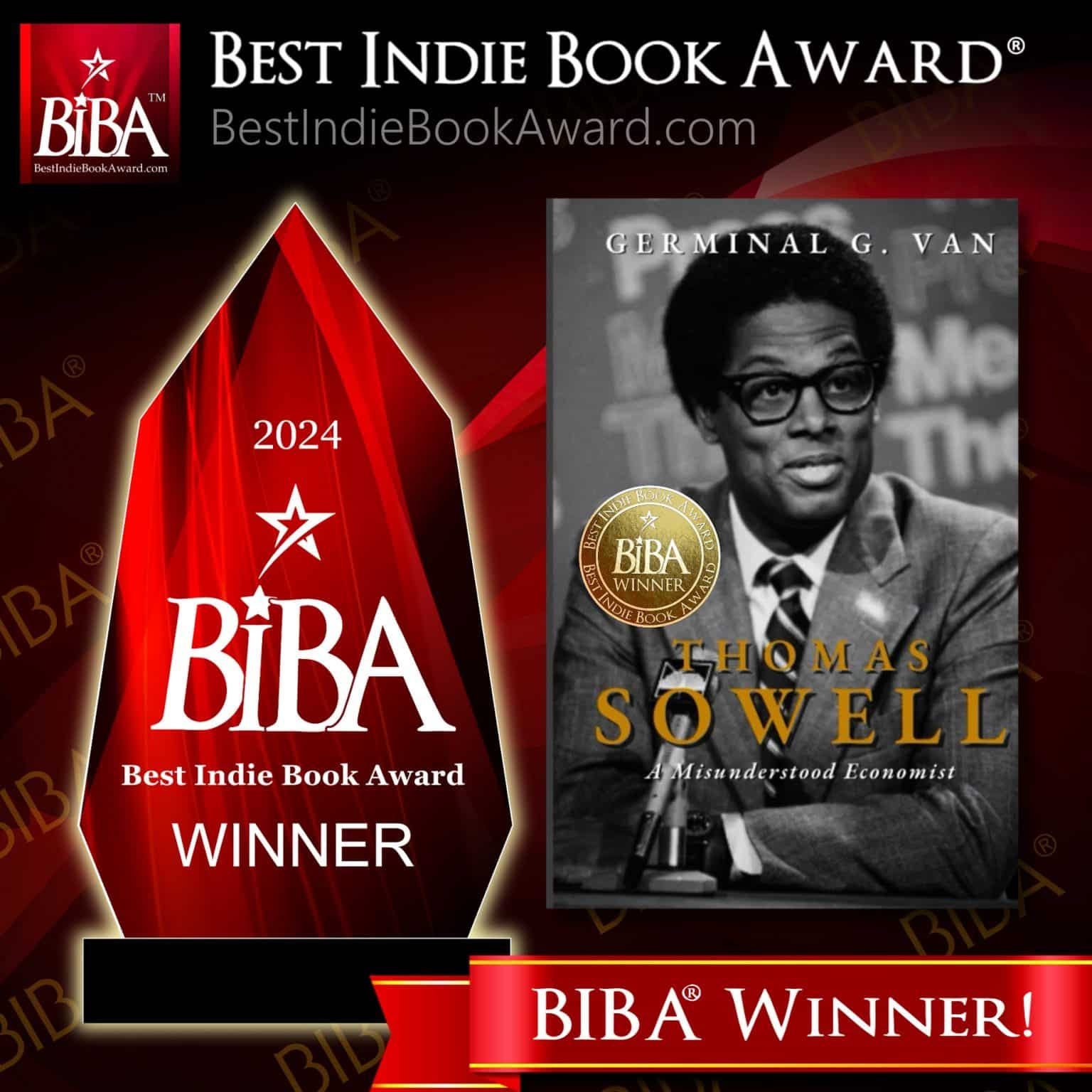
I recently picked up “Thomas Sowell: A Misunderstood Economist”— the 2024 BIBA (Best Indie Book Award) winner1 — by Germinal G. Van, and it feels like a compelling theatrical trailer for Thomas Sowell’s vast intellectual catalog. As someone deeply involved in education issues here in Delaware, I found it especially powerful because Sowell’s core ideas speak directly to what actually lifts students — and what holds them back.

It was Thomas Sowell who influenced my style of thinking, or the fact that maybe I wasn't even truly thinking on a meaningful level. It is this way of seeing the world that has shaped how I perceive data and have conversation, and when to speak up.

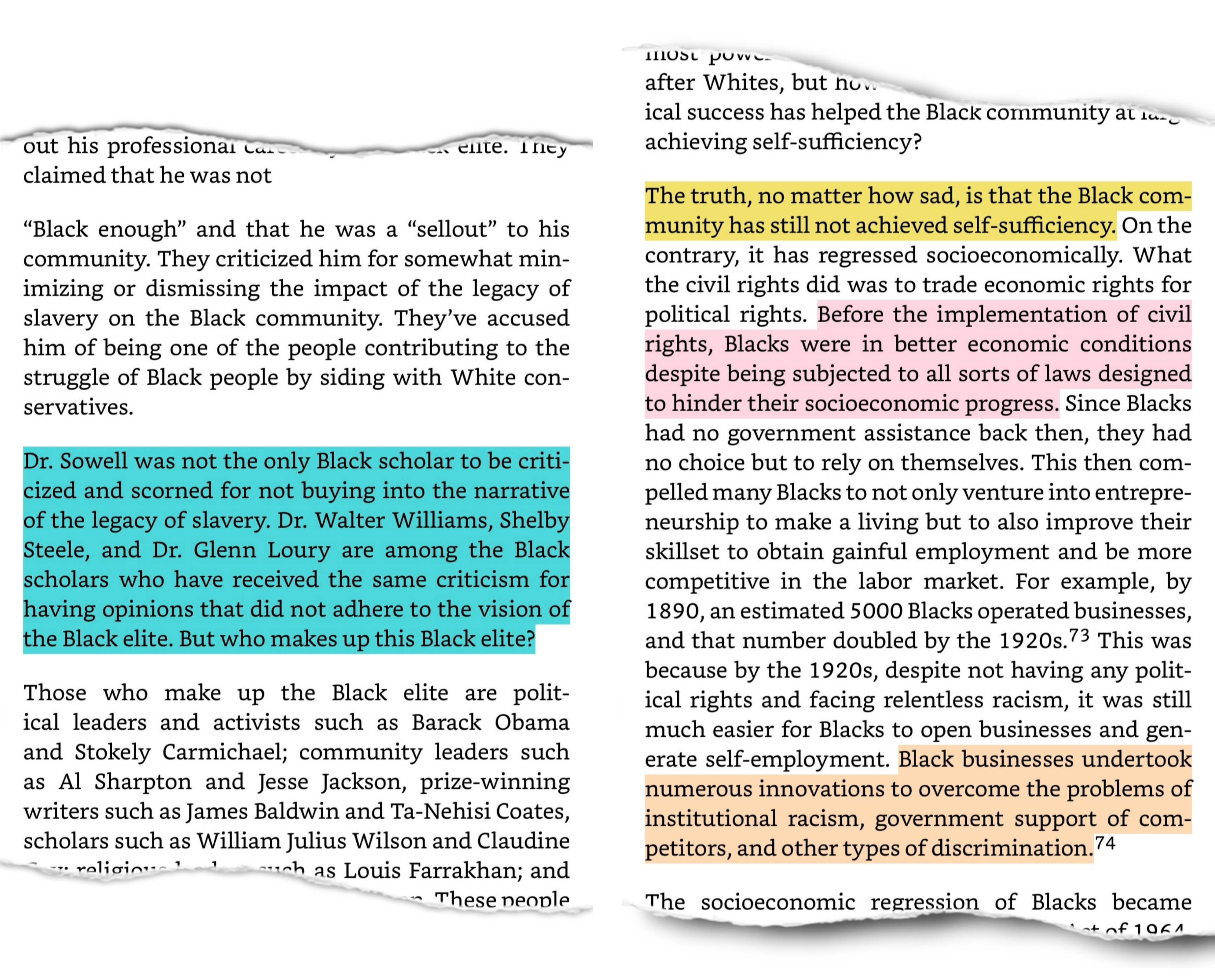
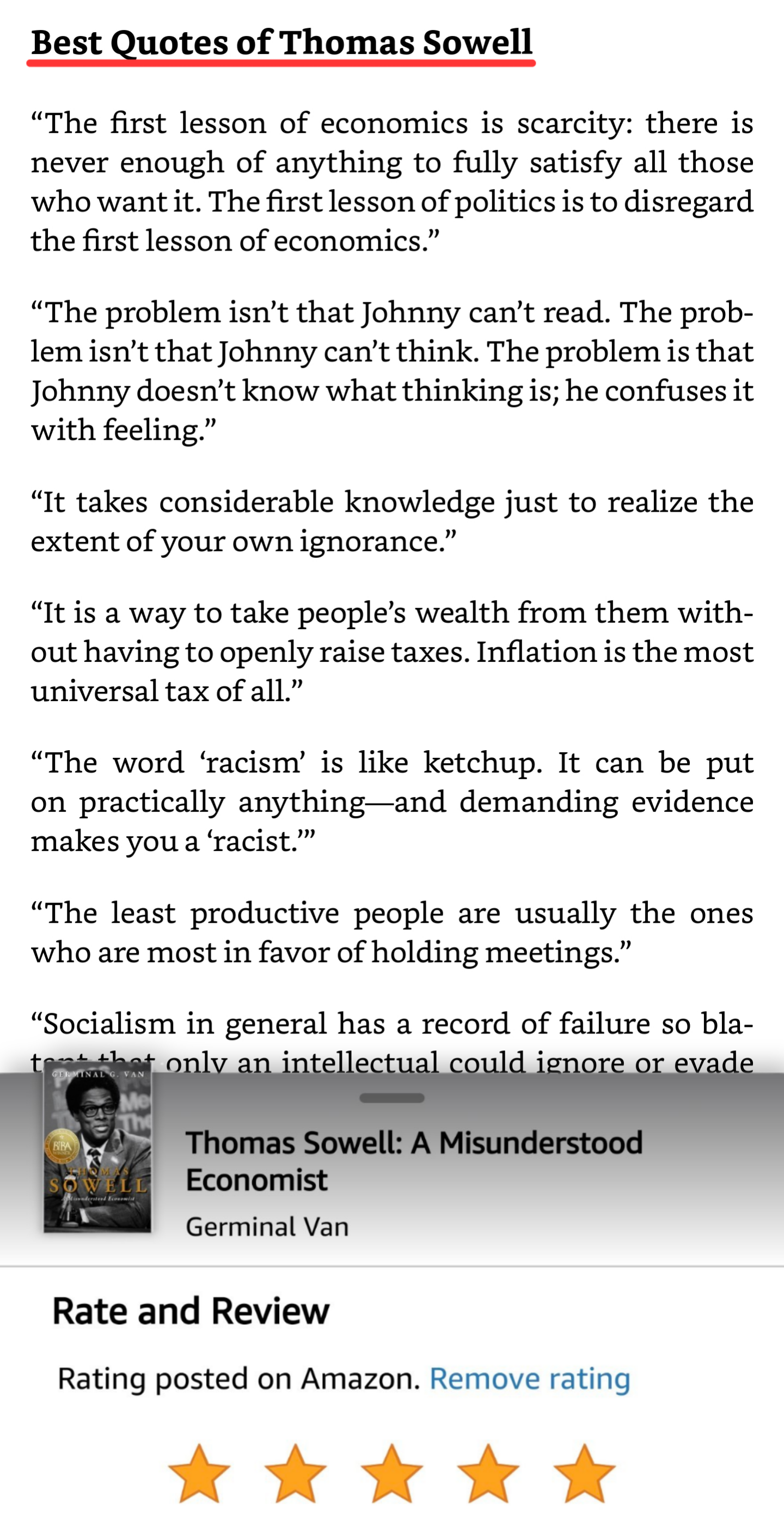
Rather than a conventional biography, Van delivers a sharp, idea-driven exploration that shows why Sowell has been so transformative. He approached every issue with methodological individualism and empirical rigor, following the data even when it challenged prevailing narratives. This data-first mindset runs through Sowell’s critiques of policy. He famously observed, “The first lesson of economics is scarcity… The first lesson of politics is to disregard the first lesson of economics.” Time and again, good intentions in education and social policy collide with reality.
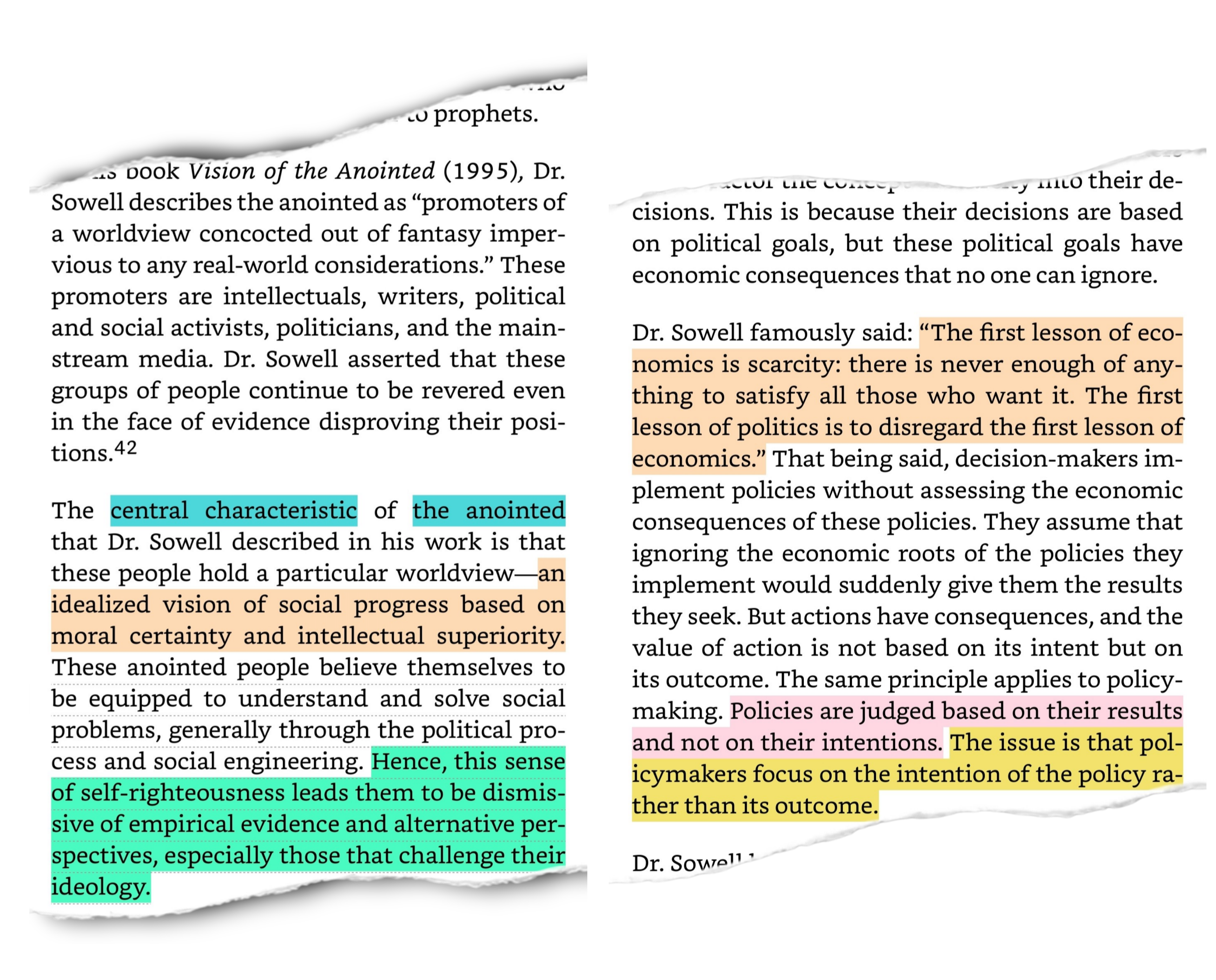
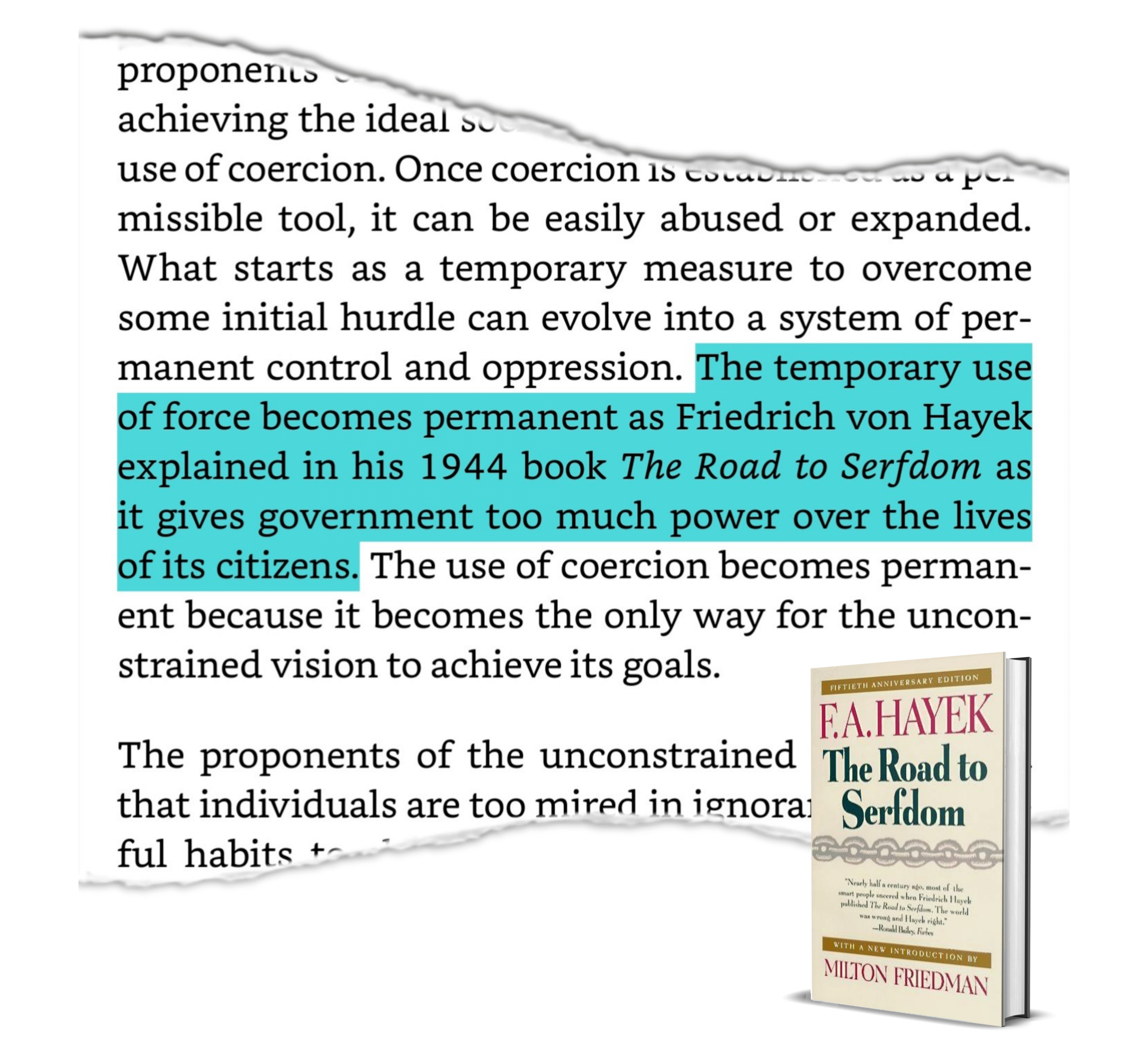
Van highlights Sowell’s dissection of “the anointed” — elites who promote idealized visions of social progress based on moral certainty rather than evidence. Their pattern (crisis → solution → failure → demand more power) appears repeatedly in education reform.2

As highlighted in the Reason Foundation's comprehensive analysis, "K-12 Education Spending Spotlight," teacher salaries in Delaware have increased 11% over the past two decades. In stark contrast, support services, encompassing school and district administration, have increased by 49% during the same period. This disparity underscores a concerning trend: excessive spending on administrators who provide minimal direct benefits to students.

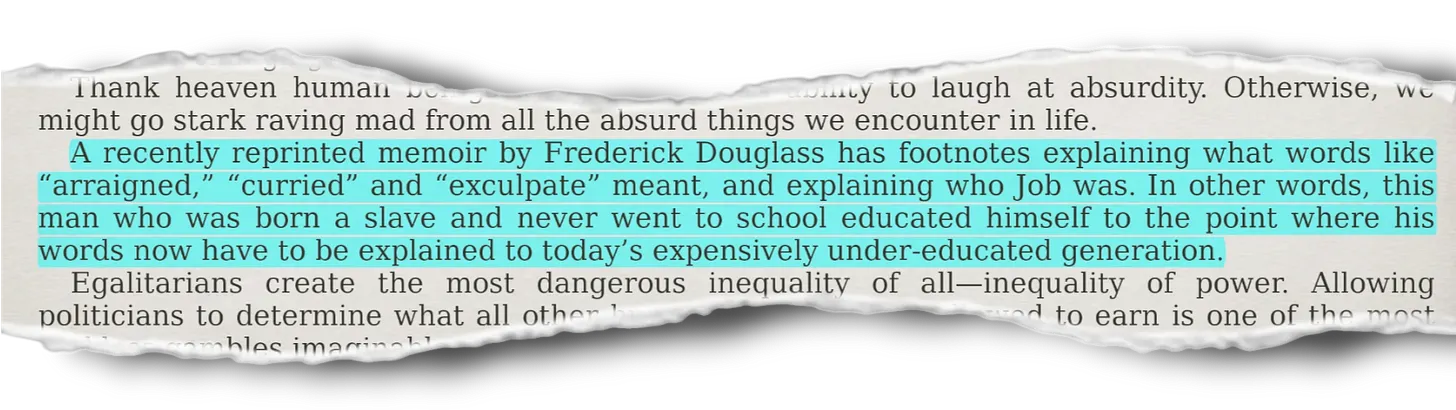
Here in Delaware, the push for a single mega-district in Northern New Castle County is a textbook example: sold as an equity solution that will share resources and close gaps, yet it ignores decades of national evidence showing that consolidation reliably expands bureaucracy and administrative costs while doing little to address root causes such as chronic absenteeism, weak early literacy instruction, high teacher turnover, and limited family supports. True improvement comes from tackling these realities head-on, not merely redrawing lines on a map. Sowell held particular disdain for the self-congratulatory behavior of these elites — implementing policies that made them feel morally superior while producing harmful results for students and families.

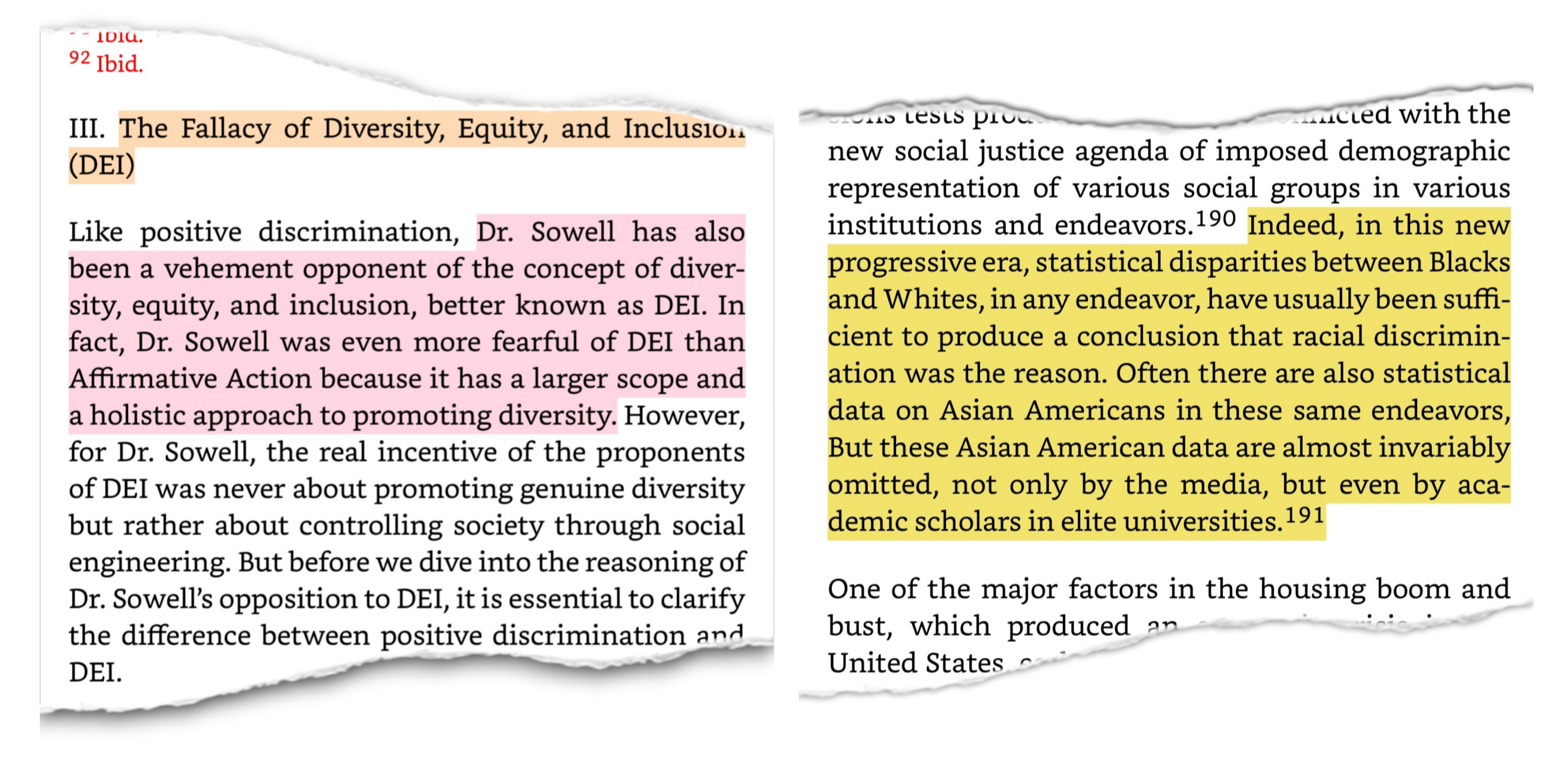
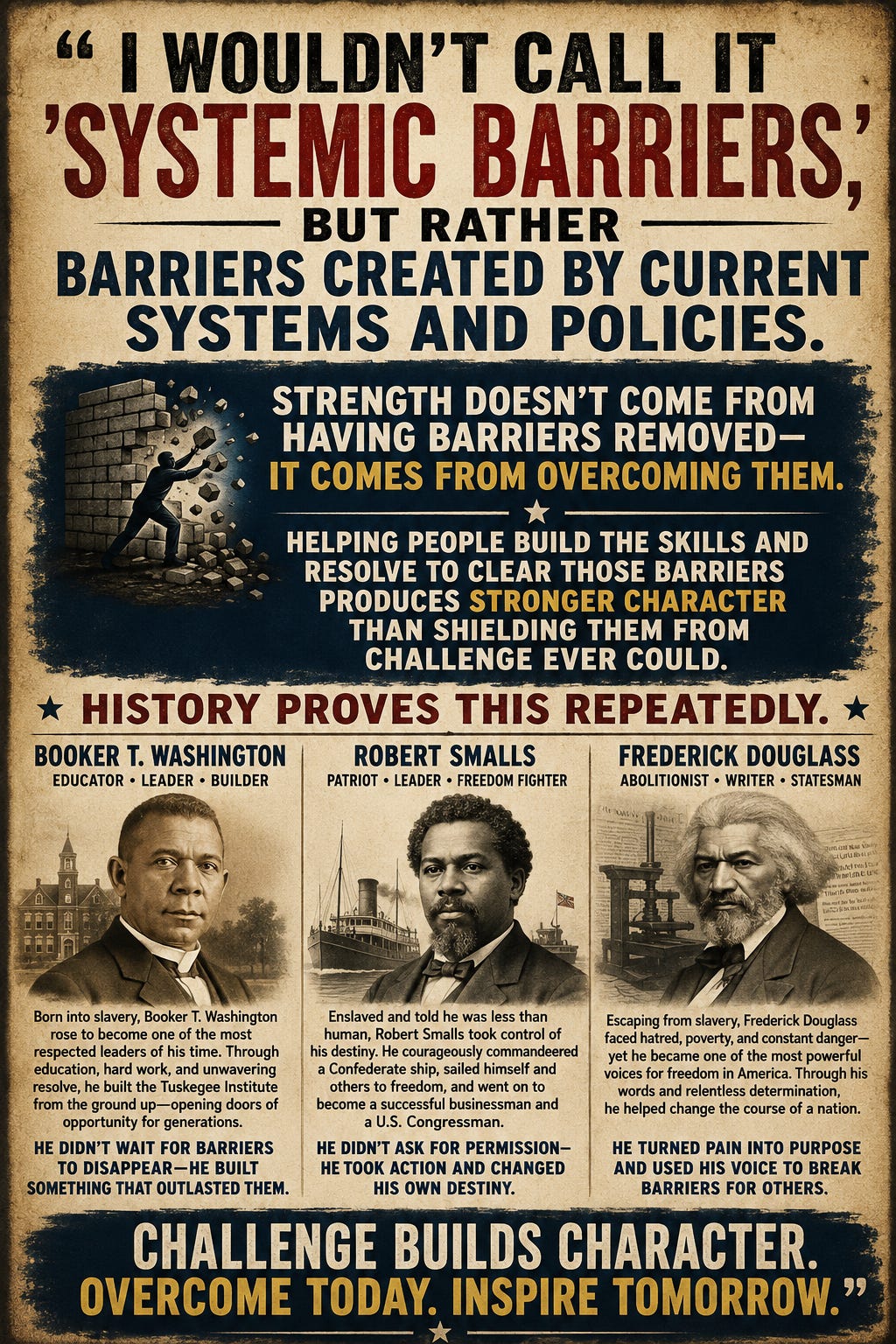
On race, culture, and outcomes, Sowell emphasized behavior, family structure, education choices, and individual responsibility over simplistic explanations. He drew inspiration from Booker T. Washington’s3 focus on self-reliance and economic empowerment. His critiques of affirmative action and DEI are especially relevant to education: lowering standards under the guise of “equity” ultimately harms the very students it claims to help.4
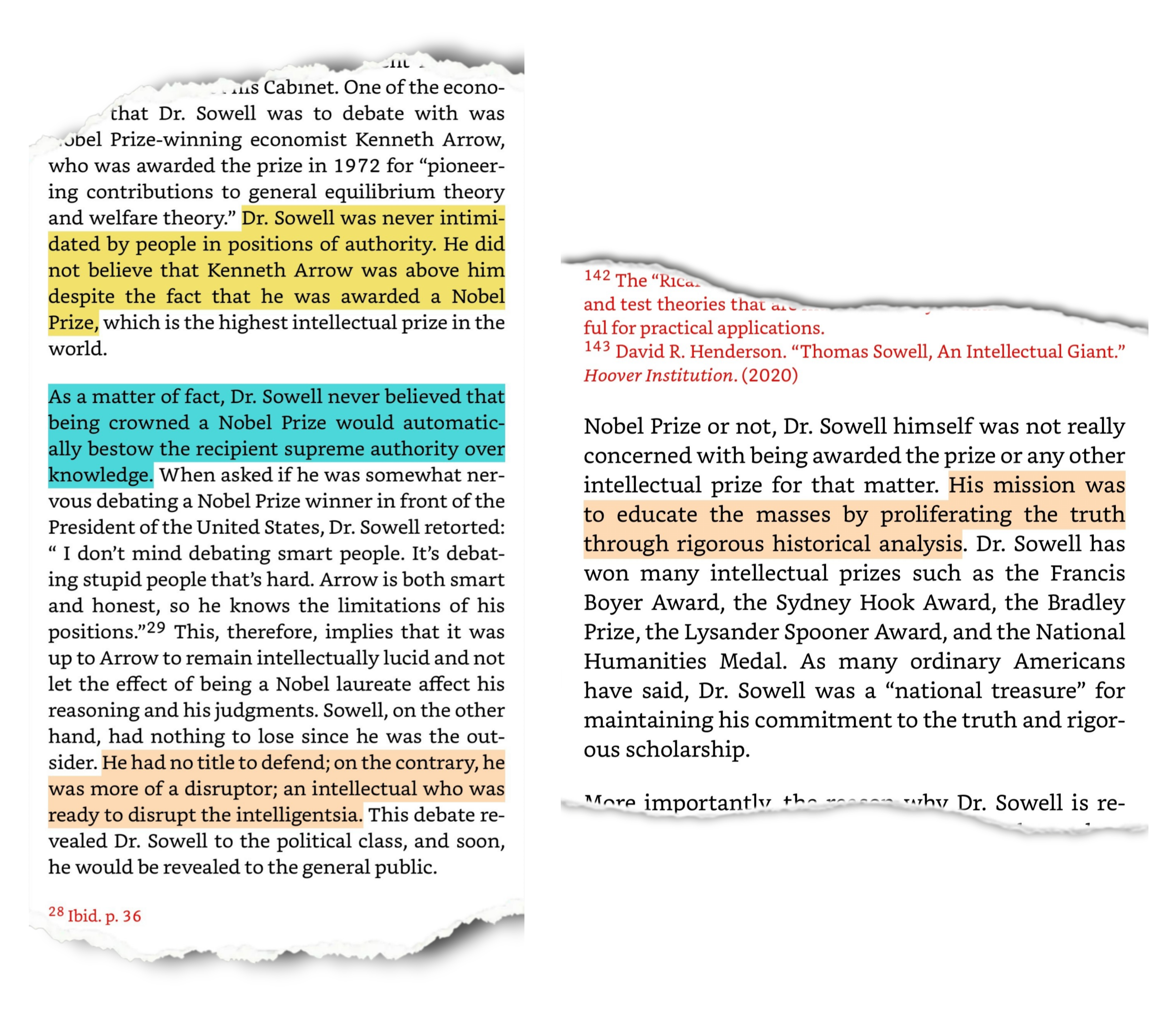
Germinal Van also addresses the glaring omission of a Nobel Prize in Economics for Sowell, largely for ideological reasons. Despite his profound influence as a true social benefactor — making complex ideas accessible to everyday people, including parents and educators — Sowell was overlooked.
Germinal Van’s writing shines in another way I deeply appreciate: he puts pinpointed sources and citations front and center. This isn’t vague summary — it’s rigorously grounded, leaving me with a lengthy reading list of books and articles I might otherwise have overlooked. It makes the book not just inspirational but a practical gateway to deeper study.
Sowell’s constrained vision — acknowledging scarcity, incentives, trade-offs, and human fallibility — equips parents and educators to think clearly rather than defer to top-down reforms. That’s why his influence endures and why Thomas Sowell’s ideas deserve national dialogue.
Because Sowell’s emphasis on evidence, personal responsibility, and real outcomes over intentions has profoundly shaped how I approach conversations and view education and schooling in Delaware, I’ve launched a petition urging the President to award him the Presidential Medal of Freedom. If his ideas resonate with you — especially on culture, merit, and what truly improves opportunity for children — I’d be grateful if you’d consider signing and sharing.
Change.org/AwardSowell5

Germinal G. Van , author of more than two dozen books on topics ranging from democratic socialism and the economic condition of Black America to wealth distribution in the United States and the credit-based economy, has done a great service with this focused intellectual exploration of Sowell’s ideas. Highly recommended!


If Sowell’s ideas resonate with you, I’d be grateful if you’d consider signing and sharing the petition.
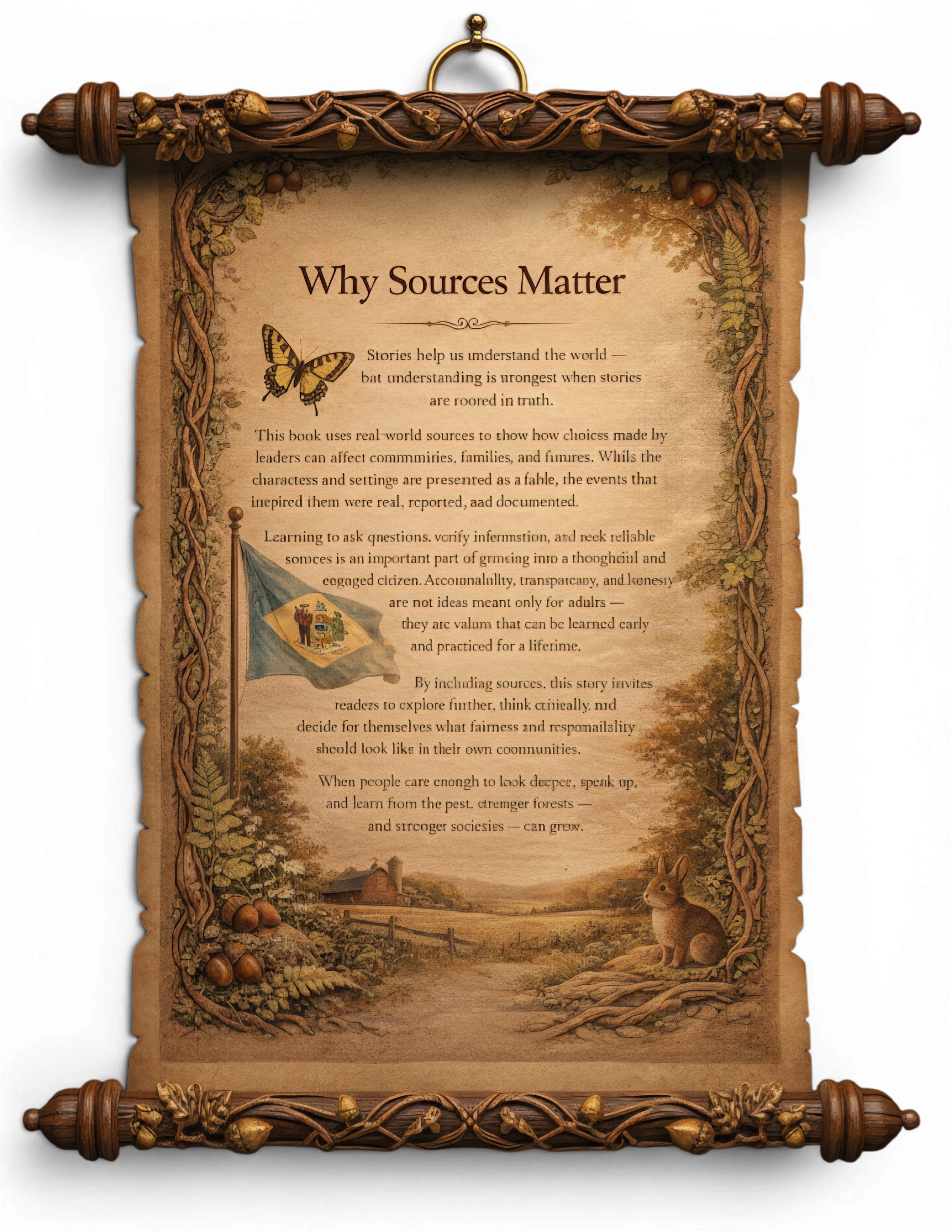
As someone who has also written on Delaware’s challenges, I poured many of these same themes — staying aware, getting involved, and the power of righteous indignation — into my own Delaware storybook, Berries of Betrayal: Delaware’s Path to Righteous Reform. It’s an allegory featuring woodland creatures navigating corruption and reform in our state, complete with footnotes for all references mentioned.
If you’d like to check it out, it’s available on Amazon.6



The Thomas Sowell Reader

Thomas Sowell is one of the greatest, if not the greatest American intellectual of our time.

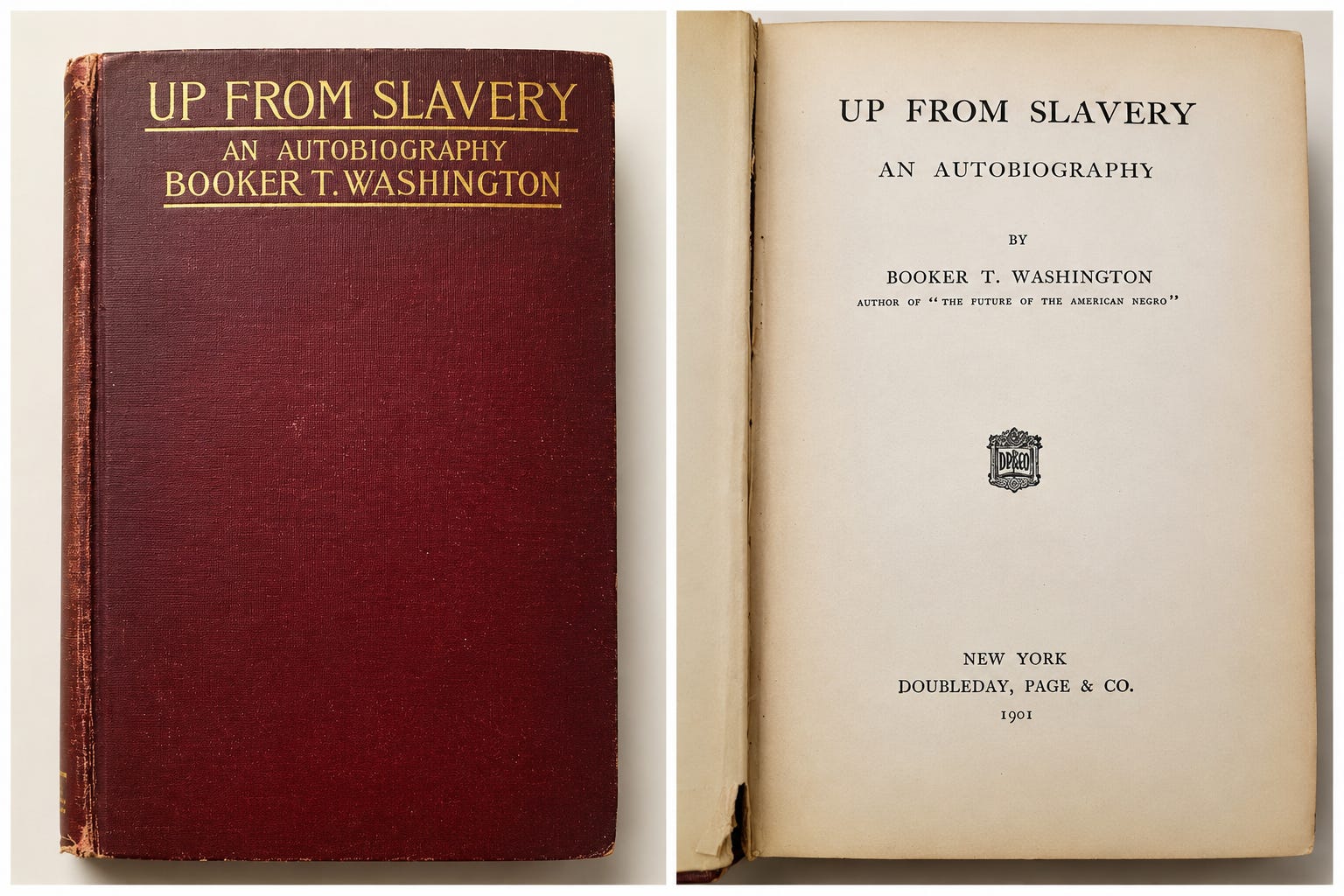
Booker T. Washington Bio from the Tuskegee Institute, the school Booker T. Washington founded.
Booker T. Washington was born into slavery on April 5, 1856 in Franklin County, Virginia. Booker T. Washington, through hard work, perseverance, and a desire to educate, became a dominant figure in American history. He exemplifies what it means to overcome adversity through hard work, perseverance, merit, and individual self-worth. In fact, it is this man’s quote that is the first thing new readers are greeted with when they visit the Schooling Delaware newsletter.